



The Artistic Secrets of Carving: The Art of Selecting Materials
- Aug.03, 2025 21:20:21
- 0 Comments
In the world of stone carving, stone is the foundation upon which artists display their talents. Each piece of stone carries unique qualities, like a dormant spirit waiting to be awakened.
Granite, with its iron-hardness, is the preferred choice for many large-scale stone sculptures. With a Mohs hardness of 6-7, it is like a resolute warrior, able to withstand the effects of wind, sun, and external impact without wear or damage. When sunlight shines on granite carvings, the grainy texture is clearly visible, seemingly telling the story of time. Large Buddha statues carved from granite, having weathered thousands of years, still stand majestically, reflecting the richness and vicissitudes of history.
Marble, like an elegant aristocrat, possesses a fine texture and smooth surface, emanating a sense of nobility and elegance. Its colors are rich and varied, ranging from pure white to mysterious black, from soft gray to vibrant green, each hue exuding a unique charm. Its high glossiness creates a smooth, shiny surface after polishing, adding a captivating luster to stone carvings. Because marble is relatively softer than granite, it's easier to carve, allowing artisans to fully unleash their skills, creating intricate patterns and complex shapes. These exquisite marble reliefs, with their vivid depictions of figures and the folds of clothing, demonstrate a high level of artistic quality.
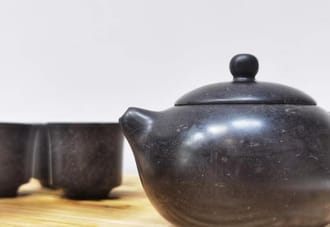
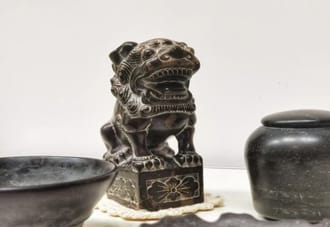
Bluestone, with its ancient charm and typically a bluish-gray or dark gray color, seems to have emerged from the depths of history. Its hard texture allows it to withstand certain external impacts, while its natural texture, with its striped and speckled patterns, adds a natural beauty and artistic value to stone carvings. In some traditional temples, bluestone reliefs and ornaments complement the surrounding architecture, creating a tranquil and solemn atmosphere and a sense of rich historical and cultural heritage.
In addition to these common stone materials, sandstone and white marble also play unique roles in stone carving. Sandstone, with its relatively loose texture, is easy to carve, suitable for expressing delicate textures and soft lines, and is often used to create works with a romantic atmosphere. White marble, favored for its pure whiteness and gentle texture, is often used to create high-end and exquisite stone carvings, such as exquisite Buddha statues and ornaments. Its pure white color, combined with exquisite carvings, creates a noble and elegant appearance, like a precious work of art.
Popular Articles
- Hand-Carved Chinese Zodiac Tea Pets: From Natural Bluestone to a Finished Piece (Maker’s Notes)
- Chinese Zodiac Goat: Meaning, Symbolism, and the Energy of Harmony
- Chinese Zodiac Dragon: Meaning, Symbolism, and Spiritual Power
- Chinese Zodiac Stone Ornaments A Symbol of Culture, Energy, and Meaningful Living
- Inheritance and Rebirth: The Contemporary Path of Stone Carving