




Four major carving techniques
- Aug.06, 2025 10:07:01
- 0 Comments
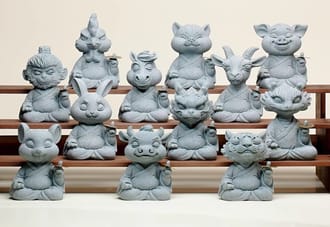
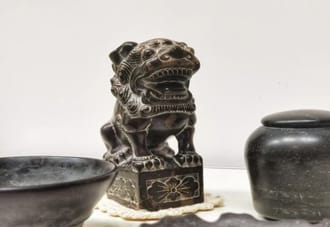
1. Sculpture in the Round: Sculpture in the round is the three-dimensional spirit of stone carving. Unconstrained by a backdrop, it appears to grow naturally from the stone, allowing viewers to appreciate it from every angle, perceiving every detail and gesture. Strolling around a sculpture in the round is like exploring a mysterious little world, each offering a unique surprise. For example, in lifelike sculptures of figures, from the front, we can see their resolute gaze and confident smile; from the side, we can admire their graceful posture and flowing drapery; and from the back, we can sense their unique temperament and personality. The same is true of animal sculptures in the round. A stone lion carved in the round, from the front, appears majestic, its claws and teeth bared, as if guarding the land. From the side, its sturdy limbs and nimble tail convey the animal's vitality and strength. From the back, its sturdy body and majestic posture remain awe-inspiring. Through precise grasp and delicate depiction of three-dimensional space, round sculptures imbue stone with life and soul, allowing them to exhibit a dynamic beauty within stillness.
2. Relief: A relief is a three-dimensional painting, situated between painting and round sculpture, possessing both the flatness of painting and the three-dimensionality of round sculpture. Reliefs are typically set against a flat background. By compressing the object's volume and employing elements such as perspective, light, and shadow, they convey three-dimensionality, allowing the viewer to view it from only one or two sides. Reliefs can be found on many ancient buildings. For example, the walls of some temples are decorated with exquisite reliefs depicting Buddhist stories. Through ingenious carving techniques, artisans vividly bring figures and scenes to life on the stone. High reliefs have high projections, creating a strong sense of three-dimensionality, as if leaping from the stone, creating a powerful visual impact. Shallow reliefs, on the other hand, are relatively flat, emphasizing smooth lines and delicate details, creating a softer, more elegant aesthetic. These reliefs not only add artistic value to the architecture but also carry on religious culture and historical memory, allowing future generations to understand past stories and people's beliefs.
3. Line carving: Line carving is a master of stone carving, seamlessly combining painting and carving, using lines to depict images and express emotion. Line carving leverages light and shadow to create effects. By carving lines of varying depths and thicknesses on the stone surface, the reflection and refraction of light create a sense of three-dimensionality and layering through the play of light and shadow. Line carving techniques were widely used in many ancient stele and stone carvings. For example, the text and images on some ancient epitaphs were carved using line carving. These delicate lines, some strong and powerful, others soft and graceful, bring the text and images to life. In some traditional architectural decorations, line carving is also often used to create auspicious motifs, such as dragons and phoenixes, flowers, birds, fish, and insects. These simple and elegant lines not only serve a decorative purpose but also convey people's yearning and wishes for a better life.
4. Shadow carving: Shadow carving is a magician of light and shadow in stone carving. It uses the varying density of a stylus's taps to determine the intensity of the image, creating a realistic three-dimensional effect, resembling a delicate sketch drawn on stone. Shadow carving is typically performed on polished marble. Using a specially designed chisel, craftsmen chisel the image thousands of times with varying degrees of force and orientation, creating a dense network of dots. These dots interweave to create an image resembling a photograph. Modern shadow carvings feature portraits and landscapes, using shadow carving techniques to vividly depict the subject matter, including expressions and details. For example, a shadow carving depicting a natural landscape reveals distant mountains through the play of light and shadow, while nearby trees and flowers appear lifelike, evoking a sense of the freshness and tranquility of nature. Shadow carvings not only possess immense artistic value, but also, due to their permanence, have become a crucial way for people to record beautiful moments and pass on cultural memories.
Popular Articles
- Hand-Carved Chinese Zodiac Tea Pets: From Natural Bluestone to a Finished Piece (Maker’s Notes)
- Chinese Zodiac Goat: Meaning, Symbolism, and the Energy of Harmony
- Chinese Zodiac Dragon: Meaning, Symbolism, and Spiritual Power
- Chinese Zodiac Stone Ornaments A Symbol of Culture, Energy, and Meaningful Living
- Inheritance and Rebirth: The Contemporary Path of Stone Carving